The psychological journey understanding the mind behind gambling behavior

The allure of gambling: Understanding initial attraction

Gambling has an innate appeal that draws individuals from diverse backgrounds, offering a blend of excitement and the potential for substantial rewards. For many, the allure lies in the thrill of chance and the adrenaline rush that accompanies high-stakes games. This psychological draw is often amplified by the social dynamics of gambling, where peer influence can increase participation. The promise of winning not only serves as a financial incentive but also feeds into a deeper psychological craving for excitement and risk-taking. Additionally, many players turn to https://jokerstarcasinos.com to explore a variety of gaming options at their convenience.

Moreover, the ambiance of casinos and gaming environments contributes significantly to their attractiveness. Bright lights, engaging sounds, and the vibrant atmosphere create an intoxicating experience that can be hard to resist. This sensory stimulation can lead to a temporary escape from reality, where players immerse themselves in the moment, often disregarding the potential financial consequences. The combination of sensory engagement and the thrill of the gamble can create a compelling lure for many.

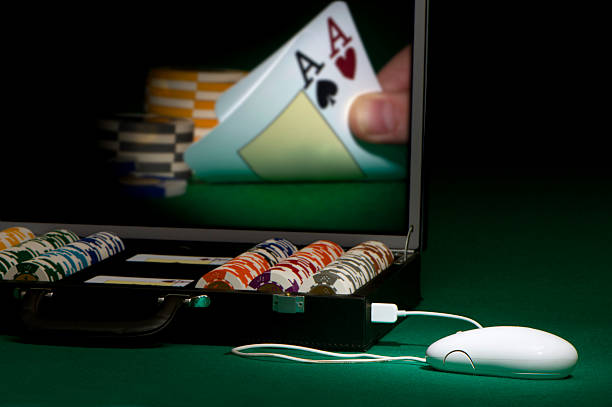
The psychological journey of gambling often begins with these initial attractions, leading individuals to explore both online and offline platforms. While traditional casinos provide a tactile experience, online gambling has surged in popularity, offering convenience and accessibility. This shift has allowed individuals to engage in gambling behavior in the comfort of their own homes, making it even more essential to understand the underlying psychological mechanisms that drive such behaviors.

The role of risk and reward: Understanding gambling behavior

At the heart of gambling behavior lies the interplay between risk and reward. This relationship is often encapsulated in the concept of ‘variable reinforcement,’ where unpredictable rewards can increase the likelihood of repeated behavior. When gamblers experience wins, even small ones, their brains release dopamine, a neurotransmitter associated with pleasure and reward. This chemical reaction reinforces the gambling behavior, making players eager to return for more. The anticipation of a potential win can be just as thrilling as the actual victory.

This psychological reinforcement can lead to a cycle of gambling behavior that is difficult to break. Gamblers often develop a distorted perception of odds and outcomes, believing that they can influence the results through their actions or strategies. This illusion of control can intensify the gambling experience, drawing individuals deeper into the activity. Understanding how risk and reward dynamics affect gambling behavior is crucial for both players and those looking to provide support to problem gamblers.

Furthermore, different types of gambling engage players in varying ways. For instance, games that involve skill, like poker, may attract those who enjoy strategizing and competition, while games of pure chance, such as slots, may appeal to those looking for a quick thrill. Each type of gambling activates different psychological responses, which can influence a player’s long-term behavior and attachment to the activity. Recognizing these nuances is essential for understanding the broader landscape of gambling behavior.

The psychological impacts of gambling: Beyond the thrill

The psychological journey through gambling does not end with excitement; it often leads to profound emotional and psychological impacts. While many engage in gambling recreationally, for some, it can spiral into compulsive behavior. Problem gambling, or gambling disorder, can lead to a range of emotional issues, including anxiety, depression, and social isolation. These psychological ramifications highlight the importance of understanding the underlying motivations and mental health conditions that may coexist with gambling behavior.

Additionally, the consequences of gambling extend beyond the individual, affecting families, relationships, and communities. Financial strain due to gambling losses can lead to conflicts and breakdowns in personal relationships, while the stigma associated with gambling addiction often results in social withdrawal. This complex web of psychological effects underscores the necessity for comprehensive support systems and resources for both gamblers and their loved ones.

Addressing the psychological impacts of gambling requires a multifaceted approach. Therapies that incorporate cognitive-behavioral strategies can be particularly effective, helping individuals reframe their thoughts about gambling and develop healthier coping mechanisms. Understanding the psychological implications of gambling behavior is crucial for fostering awareness and providing the necessary support for those affected by its darker side.

Online vs. offline gambling: Psychological differences

The rise of online gambling has transformed the landscape of gaming, leading to distinct psychological experiences compared to traditional offline casinos. One key difference lies in accessibility; online platforms are available 24/7, allowing individuals to gamble without the social constraints present in physical casinos. This constant availability can exacerbate gambling behavior, making it easier for individuals to engage impulsively. The anonymity of online gambling can also lead to decreased accountability and a greater likelihood of excessive play.

Furthermore, online gambling offers features that may enhance addictive behavior. Instant access to funds, autoplay features, and the ability to play multiple games at once can create a fast-paced environment that may overwhelm players’ self-regulation. The lack of face-to-face interaction can also reduce the social accountability that often tempers gambling behavior in traditional settings. Understanding these psychological differences is essential for both players and stakeholders looking to create safer gaming environments.

While both online and offline gambling present unique challenges, they also offer opportunities for different types of engagement. For some, the tactile experience of handling chips and interacting with dealers in a physical casino can enhance the excitement, while others may find the convenience of online gambling more appealing. As the gambling landscape evolves, understanding these psychological dimensions will be vital in addressing responsible gaming practices and minimizing risks associated with gambling behavior.

Exploring resources: Support and responsible gaming

As the understanding of gambling behavior deepens, so does the recognition of the need for effective resources and support systems. Many organizations focus on promoting responsible gaming practices, providing information and tools to help individuals make informed decisions about their gambling habits. These resources often include self-exclusion programs, counseling services, and educational materials aimed at raising awareness of the risks associated with gambling.

Online platforms, like JokerStar Casino, are increasingly integrating responsible gaming features to promote healthier gambling behaviors. Tools such as deposit limits, time-outs, and access to support resources are essential in creating a safer gaming environment. By prioritizing player well-being, these platforms can mitigate the risks associated with gambling and foster a culture of responsibility within the gaming community.

Ultimately, understanding the psychological journey behind gambling behavior is critical in developing effective strategies for prevention and intervention. By combining education, support, and technological innovations, it is possible to create a more informed and responsible approach to gambling, benefiting both players and the broader community.

Get A Quote Now

Fill the form to contact