


Азартныя гульнi: Забава i Можлiвасцi
Азартныя гульнi прапануюць унiкальны спалучэнне хвалявання, забавы i магчымасцi для выйгрышу. Гэта свет, дзе кожны паварот, кожнае нацiскванне кнопкі цi кiдок косткі можа прынесцi нечаканы вынiк, а некаторыя гульцы нават даследуюць crypto test, каб знайсці новыя спосабы ўзаемадзеяння з гульнявым працэсам. Ад класічных картачных гульняў да сучасных слот-машын, азартныя гульнi прыцягваюць мiльёны людзей сваёй дынамiчнасцю i магчымасцю адчуць сапраўдны адрэналiн.
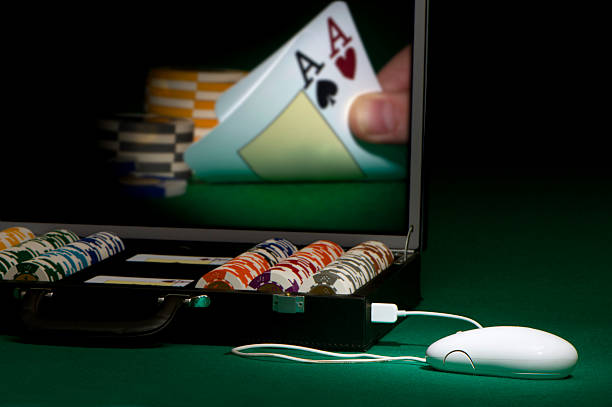
Сучасныя анлайн-казіно робяць азартныя гульнi даступнымi як нiколi раней. Гульцы могуць атрымлiваць асалоду ад любімых гульняў, не выходзячы з дому, маючы доступ да шырокага спектру забаў i бонусаў. Важна памятаць, што азартныя гульнi павiнны заставацца формай забавы, i адказнае стаўленне да iх з’яўляецца ключавым.
Стратегii для паспяховай гульнi
У свеце азартных гульняў, нягледзячы на элемент выпадковасцi, iснуюць стратэгii, якiя могуць павялiчыць шанцы на паспех i падоўжыць час гульнi. Вывучэнне правiлаў кожнай гульнi, разуменне верагоднасцей i кiраванне банкролам з’яўляюцца асноўнымi прынцыпамi разумнай гульнi. Напрыклад, у картачных гульнях, такiх як покер ці блэкджек, стратэгiчнае мысленне i здольнасць чытаць супернiкаў могуць мець вырашальнае значэнне.
Многія анлайн-казіно прапануюць дэма-рэжымы гульняў, што дазваляе гульцам практыкавацца i адточваць свае стратэгii без рызыкi страты рэальных грошай. Такi падыход дапамагае зразумець механiку гульнi i выпрацаваць аптымальную тактыку, перш чым рабiць стаўкі на рэальныя сродкi. Акрамя таго, важна выбiраць гульнi з высокiм узроўнем вяртання гульцу (RTP), што павялiчвае шанцы на выйгрыш у доўгатэрмiновай перспектыве.
Кiраванне рызыкамі i банкролам
Адна з найважнейшых складнiкаў паспяховай i бяспечнай гульнi ў азартныя гульнi – гэта эфектыўнае кiраванне банкролам. Вызначэнне загадзя пэўнай сумы грошай, якую вы гатовыя рызыкнуць, i строгае прытрымлiванне гэтаму плану дапамагае пазбегнуць непатрэбных страт. Такi падыход дазваляе захаваць кантроль над сiтуацыяй i забяспечыць, каб гульня заставалася прыемнай забавай, а не крынiцай праблем.
Нiколi не спрабуйце адыграцца, страцiўшы грошы. Гэта адна з найбольш небяспечных памылак, якую робяць гульцы. Замест гэтага, зрабiце перапынак, ацанiце сваё становiшча i, калi вырашыце працягваць, рабiце гэта з асэнсаваным падыходам i новым планам. Адказнасць i самадысцыплiна – вашы лепшыя саюзнiкi ў азартным свеце.
Бонусы i Акцыi ў Анлайн-Казіно
Анлайн-казіно часта прыцягваюць новых i ўтрымлiваюць iснуючых гульцоў з дапамогай разнастайных бонусаў i акцый. Гэта могуць быць прывiтальныя бонусы за першы дэпазiт, бясплатныя спiны на слотах, бонусы за рэфералаў цi праграмы лаяльнасцi. Такiя прапановы могуць значна павялiчыць ваш банкрол i даць дадатковыя магчымасцi для гульнi i выйгрышу.
Аднак, вельмi важна ўважлiва чытаць умовы i патрабаваннi да адмыслоўвання бонусаў. Часта iснуюць абмежаваннi па часе, патрабаваннi па стаўках (вейджэры) i абмежаваннi на вывад сродкаў, атрыманых з дапамогай бонусаў. Разуменне гэтых умоў дазволiць вам максiмальна эфектыўна выкарыстоўваць прапанаваныя бонусы i пазбегнуць непрыемных сюрпрызаў.
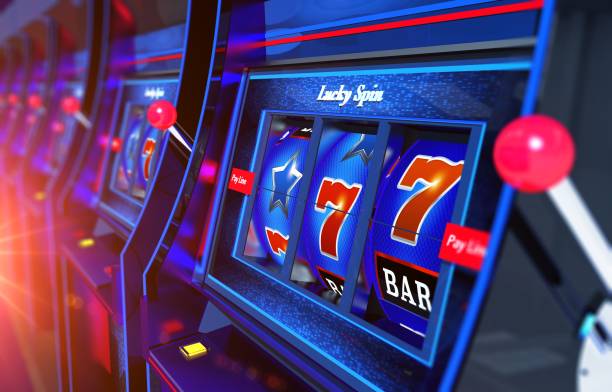
Test.ca: Ваш Шлях да Азартных Гульняў
Test.ca з’яўляецца платформой, якая прапануе магчымасць азнаёмiцца з разнастайнымi азартнымi гульнямi. Тут вы можаце знайсці iнтэрфейсы, якiя iмiтуюць розныя тыпы гульняў, ад класічных настольных гульняў да сучасных слот-машын. Гэта выдатная магчымасць для новых гульцоў апрабаваць розныя варыянты, а для дасведчаных – практыкавацца ў новай стратэгii ў бяспечным асяроддзi.
Нават калi Test.ca прызначаны для тэставання, ён дае карыстальнікам уяўленне пра тое, як працуюць анлайн-казіно i якiя гульнi даступныя. Размяшчэнне тут розных функцый i гульнявых рэжымаў дазваляе атрымаць досвед, якi можа быць карысным пры выбары рэальных анлайн-казіно для гульнi. Такi падыход да вывучэння азартных гульняў спрыяе больш усвядомленаму i адказнаму ўдзелу.