


The journey of casinos tracing their historical evolution through time
Origins of Gambling
The roots of gambling can be traced back to ancient civilizations, where games of chance were often tied to religious beliefs and rituals. Archaeological evidence suggests that as early as 3000 BC, the Chinese were using rudimentary gambling devices, such as dice made from animal bones. As people began to explore their options, they discovered the best non gamstop casinos 2026 served as entertaining ways to test fate. These early forms of gambling served as entertainment and a method of divination, indicating a deep connection between chance and fate in human society.
In ancient Rome, gambling was widely accepted and enjoyed by all social classes. The Romans played various games of chance, often using dice, and even organized betting on gladiatorial contests. This cultural acceptance of gambling laid the groundwork for future developments in casino gaming, revealing the enduring appeal of risk and reward through history.
The Emergence of Formal Casinos
The modern casino as we know it began to take shape in the 17th century. The first official casino, known as the Ridotto, opened in Venice in 1638. This establishment was designed for the upper class, providing a regulated environment where patrons could engage in games of chance. The concept of a dedicated gaming space marked a significant shift in gambling culture, transitioning from informal gatherings to organized venues.
Throughout the 18th century, casinos spread across Europe, particularly in France, where the term “casino” originated, meaning a small villa or summerhouse. French casinos introduced iconic games like roulette and baccarat, shaping the landscape of gambling. This evolution reflected the changing perceptions of gambling, as it began to be seen as both a leisure activity and a social event.
The Global Expansion of Casinos
The 19th century heralded the global expansion of casinos, particularly with the rise of gambling in the United States. The Gold Rush attracted many hopefuls to the West, leading to the establishment of casinos in mining towns. These establishments were often less regulated and more rowdy, marking a stark contrast to their European counterparts.
In the early 20th century, Las Vegas emerged as a gambling hub, transforming the American perception of casinos. With lavish resorts and entertainment options, Las Vegas attracted millions of visitors, creating a booming tourism industry centered around gambling. This period cemented the idea of casinos as synonymous with glamour and excitement, fueling their popularity worldwide.
Technological Advances in Casino Gaming
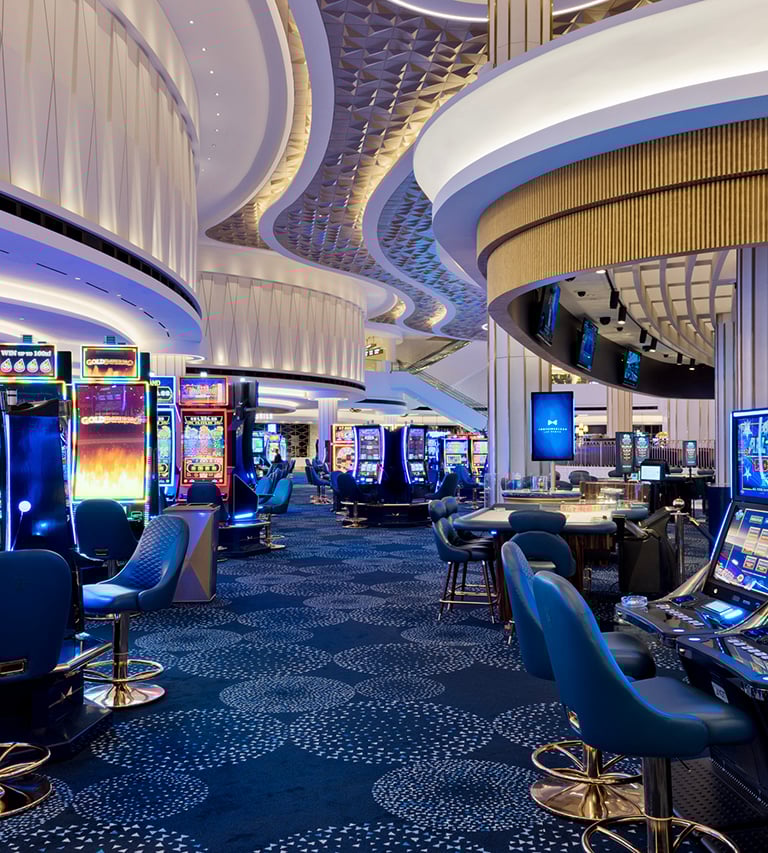
The late 20th century saw significant technological advances that revolutionized casino gaming. The introduction of electronic gaming machines, such as slot machines, transformed the casino landscape, making gaming more accessible to a wider audience. The allure of instant winnings and the flashing lights of machines drew in crowds, changing the dynamics of player engagement.
With the advent of the internet, online casinos began to emerge in the late 1990s, expanding the reach of gambling beyond physical locations. Online platforms offered players the convenience of gambling from home, introducing innovative features such as live dealer games and mobile applications. This digital revolution not only increased participation but also changed how casinos operated and engaged with their customers.

The Modern Casino Experience
Today, the casino experience has evolved to include a diverse range of activities beyond traditional gambling. Modern casinos incorporate luxury amenities, high-end dining, and entertainment options, appealing to a broader audience. The integration of technology has also enhanced customer experiences, allowing for personalized gaming and loyalty programs that keep players engaged.
As the landscape of gambling continues to evolve, understanding the historical journey of casinos provides valuable insights into their enduring appeal. Casinos today reflect a rich tapestry of cultural influences and innovations, demonstrating the dynamic nature of human entertainment. Exploring these changes offers a glimpse into the psychology of gambling, revealing why this activity captivates millions around the globe.
